25 Years Of Wild Adventures
Wilder began in 2000, when the Africa Eco Wilderness Group, now The Wilder Group, opened its first property: Ilkeliani Camp, in the Masai Mara. The vision then was the same as it is now. To build a safari company that takes the wilderness seriously, runs on warmth rather than formality, and gives guests the kind of access to Kenya's wild places that the country is known for.
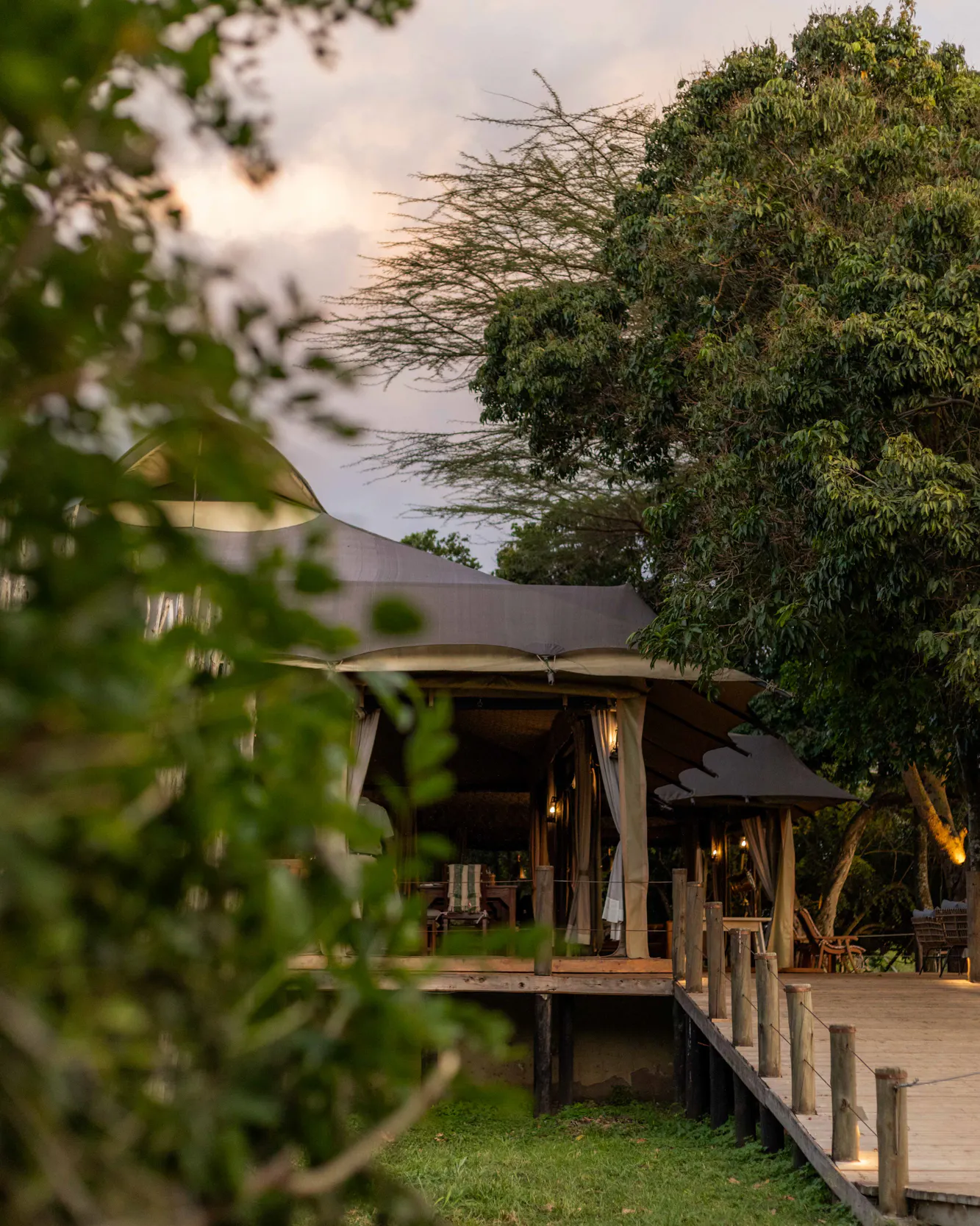
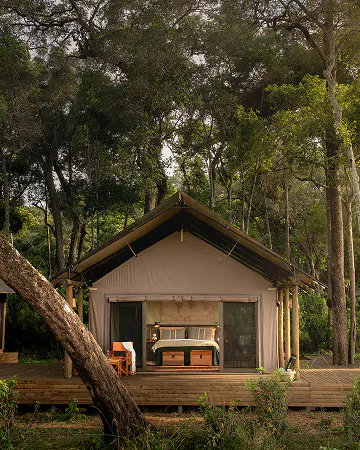
Twenty-five years on, Wilder operates seven tented camps across four of Kenya's most remarkable ecosystems: the Masai Mara, the Olerai Conservancy, Lake Nakuru, and Ol Pejeta on the Laikipia plateau. Each camp has its own character. River Camp sits at the edge of the largest rhino sanctuary in East Africa. The Cliff offers boat safaris on Lake Nakuru. Ilkeliani, Entim Main, Entim Private, and Paradise Plains span the Mara from its busiest crossing points to its most private corners. Lerai borders the Mara on land shared with Maasai owners.
Our Mission & Ethos
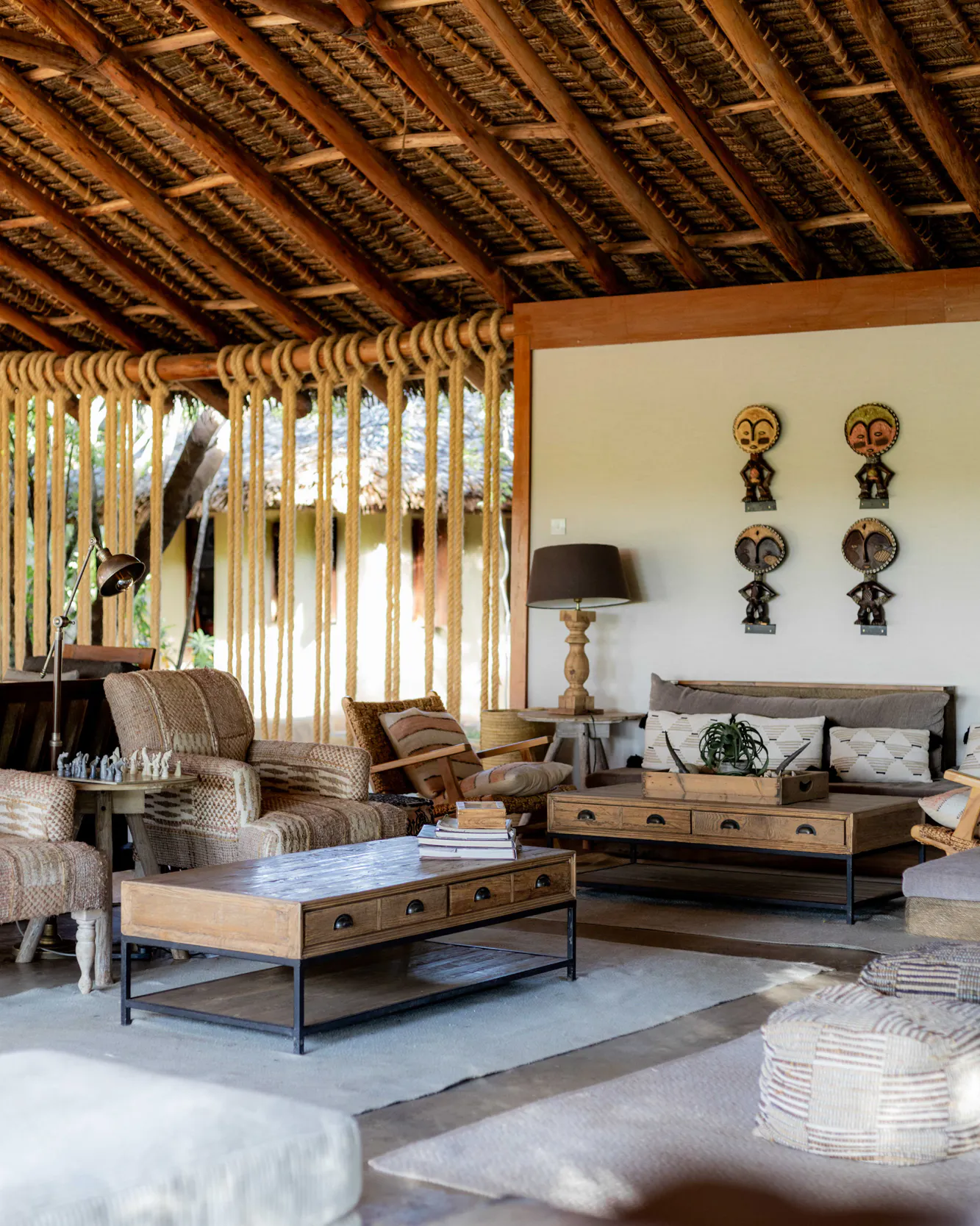
Wilder is built on the belief that a safari should feel personal from the moment a guest arrives. Every part of the experience, from the food to the guiding to the way a tent is turned down at night, is shaped by attention to detail and a desire to get it right. We take a holistic view of hospitality: The setting matters, and so does the warmth of the people, the precision of the planning, and the small touches that turn a stay into a cherished memory.
Our standards are uncompromising. The vehicles, the kitchens, the guiding, the design of every space. We hold each of these to the highest standard we can, and we keep raising it. What sets a Wilder stay apart is not a single signature feature but the sum of small choices made well, over and over again, across every camp.
Wilder’s Dream For The Future
The safari industry sits at a crossroads. The demand for wild places has never been higher, and the pressure on those places has never been greater. Wilder's ambition is to be part of building a better version of this industry, in Kenya and beyond.
That means continuing to invest in the conservancy model that protects so much of Kenya's wildlife. It means deepening our partnerships with the Maasai communities whose land we share, and expanding the work already underway: the school programme at Olerai, the gardens that supply our kitchens, the guide training that runs across every camp. It also means asking harder questions about how we operate, where our money goes, and what we leave behind.
We do not have every answer. But we believe a safari can do more than show guests the wild. It can help protect it, support the people who live alongside it, and contribute to an industry that future generations of travellers, and the wildlife they come to see, can still rely on.