Game Drives

FIRST LIGHT,
LAST LIGHT,
AND THE WILD BETWEEN

How The Days Run

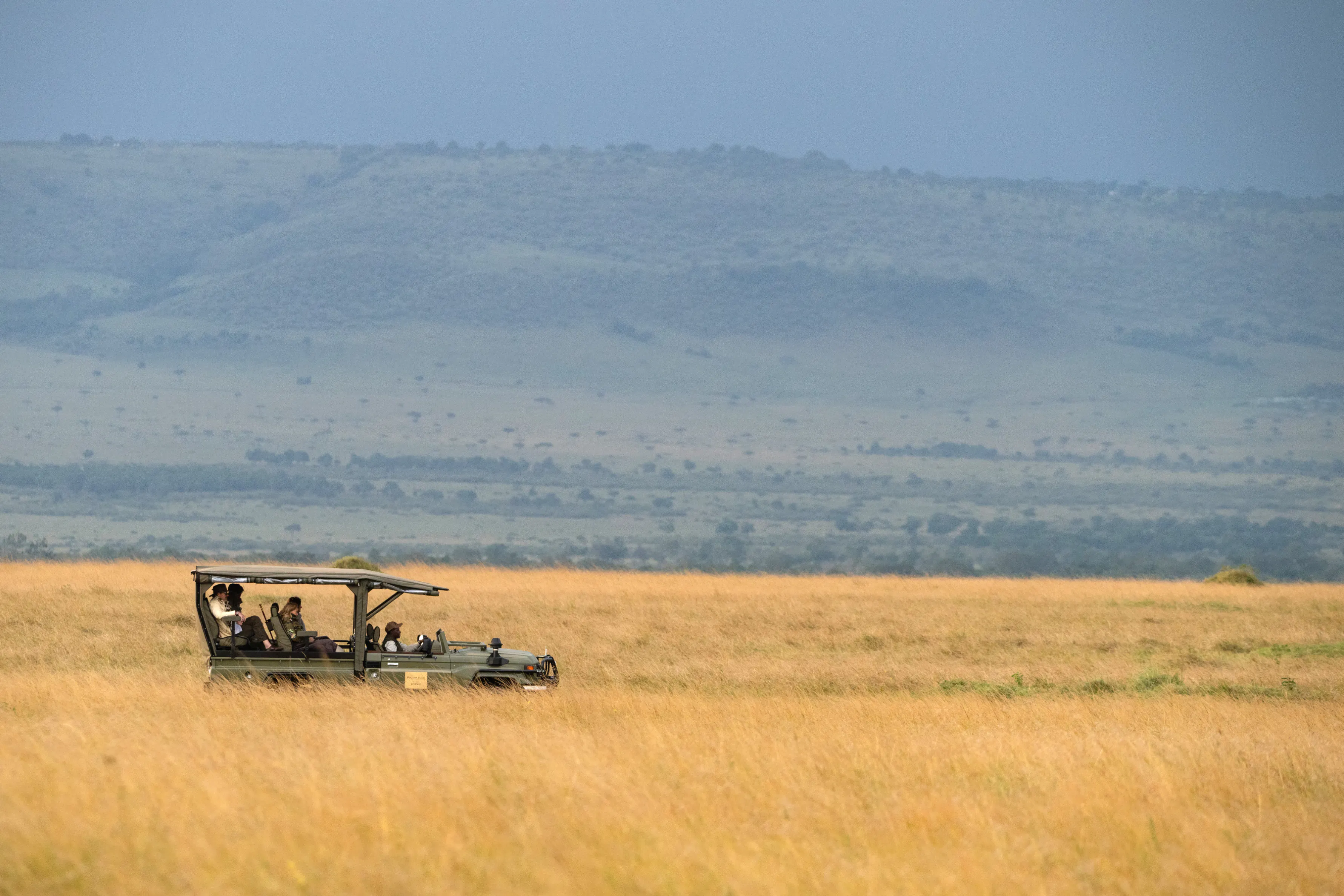
Game drives at Wilder follow the natural pattern of the wildlife, which means leaving camp early and returning before the heat sets in, then heading out again as the afternoon cools. Morning drives depart around six, with breakfast back at camp on return. Afternoon drives leave around four, with sundowners served somewhere scenic before returning at dusk. Each game viewer comes equipped with binoculars, bird and mammal reference books, blankets, charging ports, and refreshments. Drives are shared, with up to six guests per vehicle. Private vehicles can be arranged in advance for an additional fee.
Out In The Open

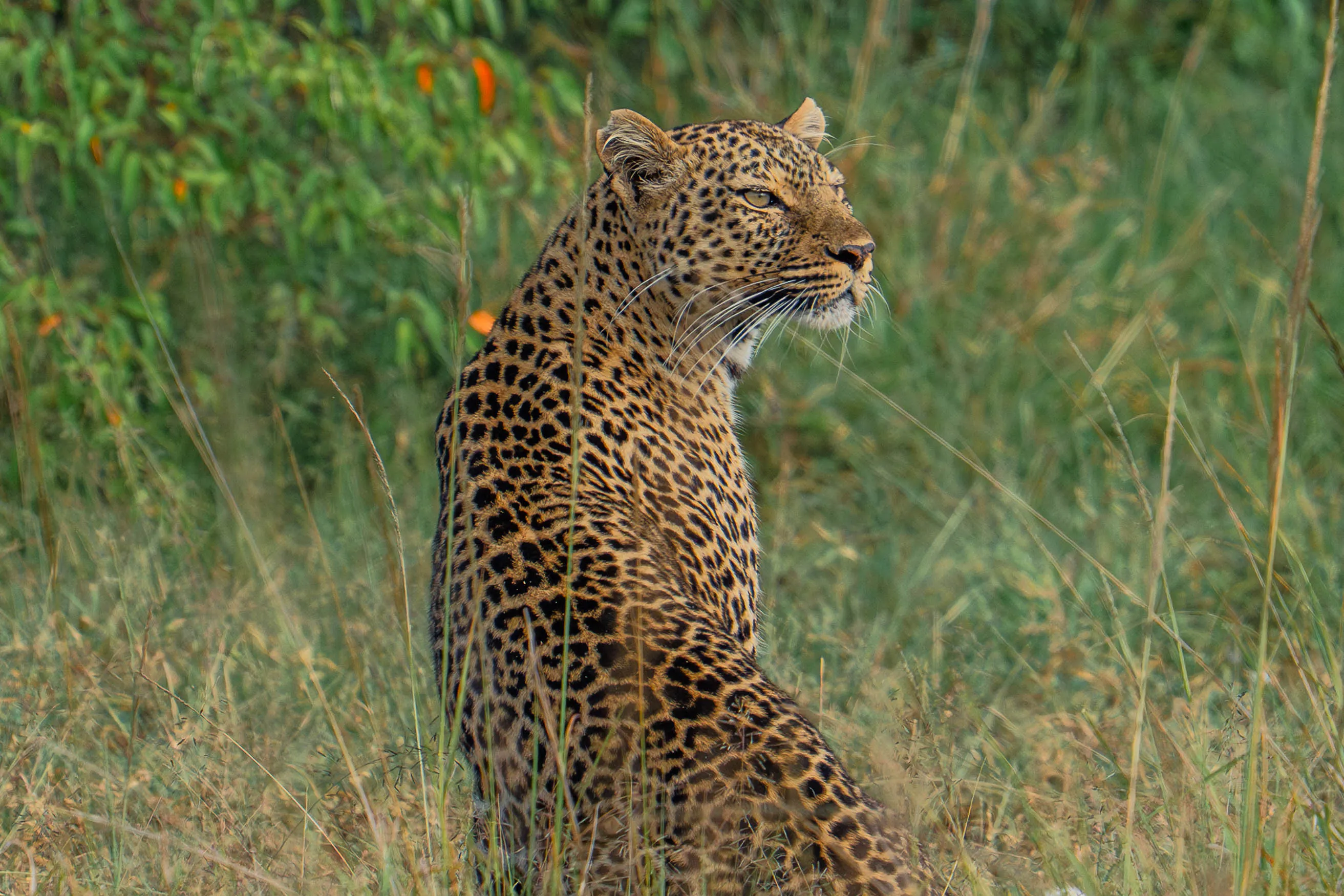
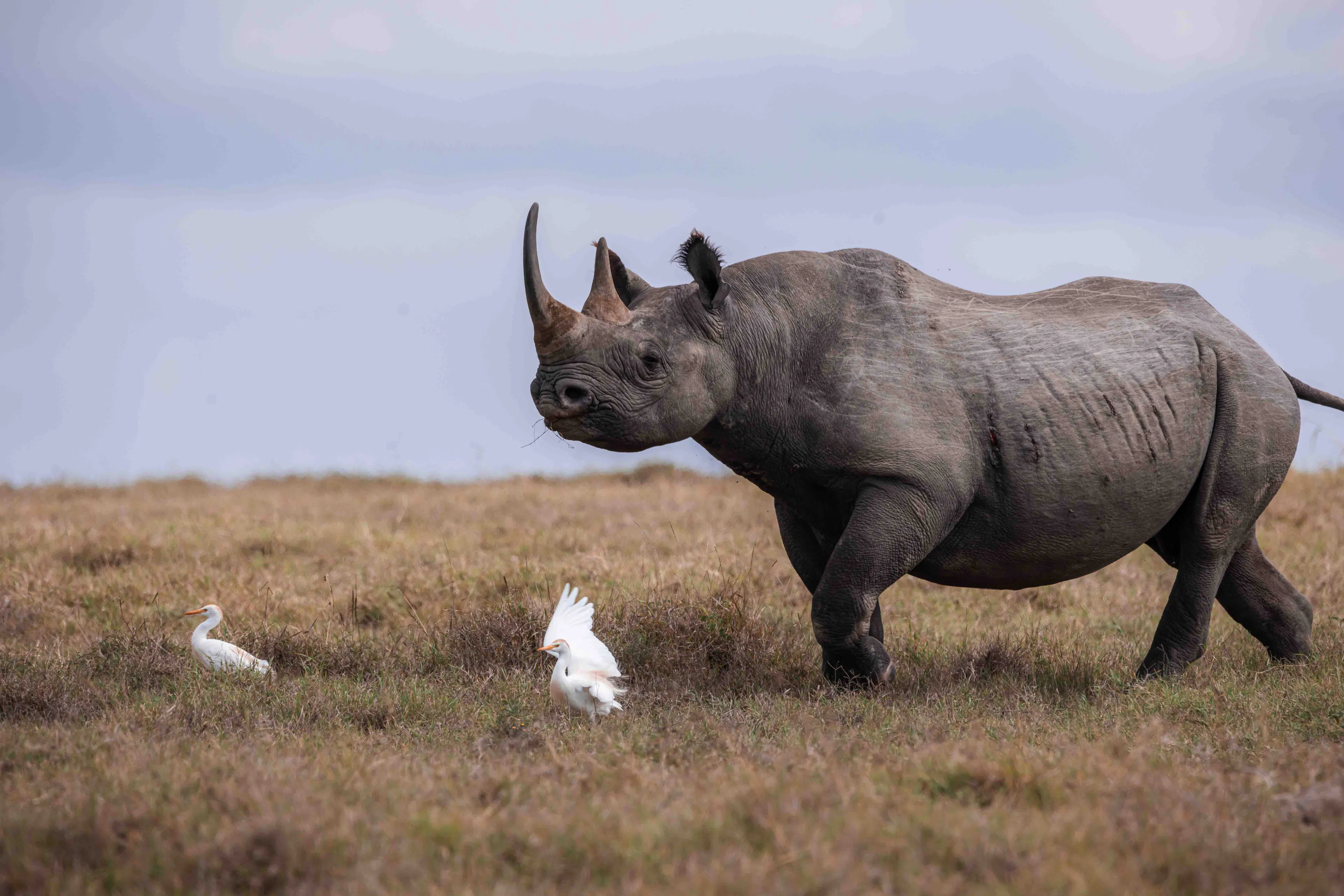
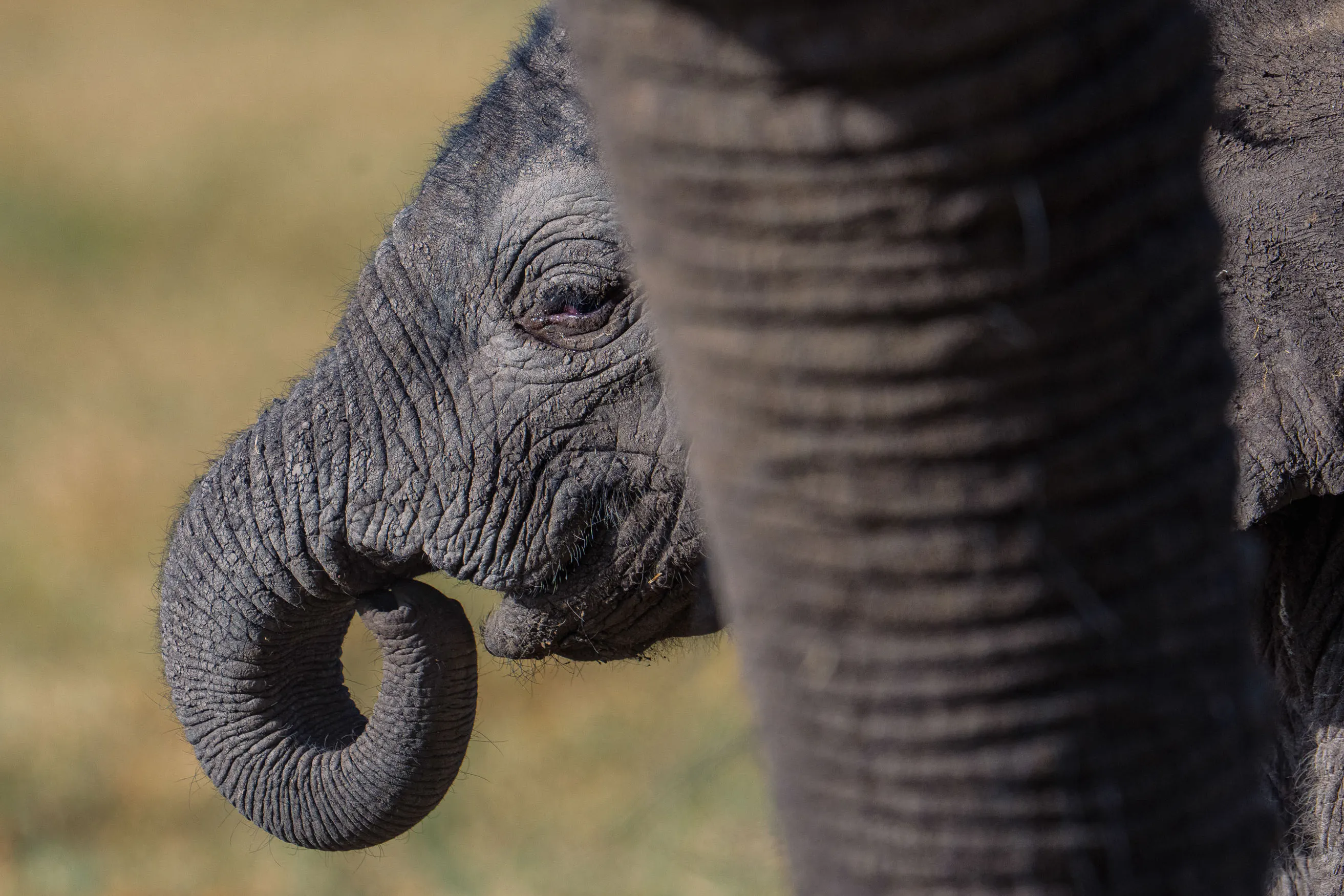
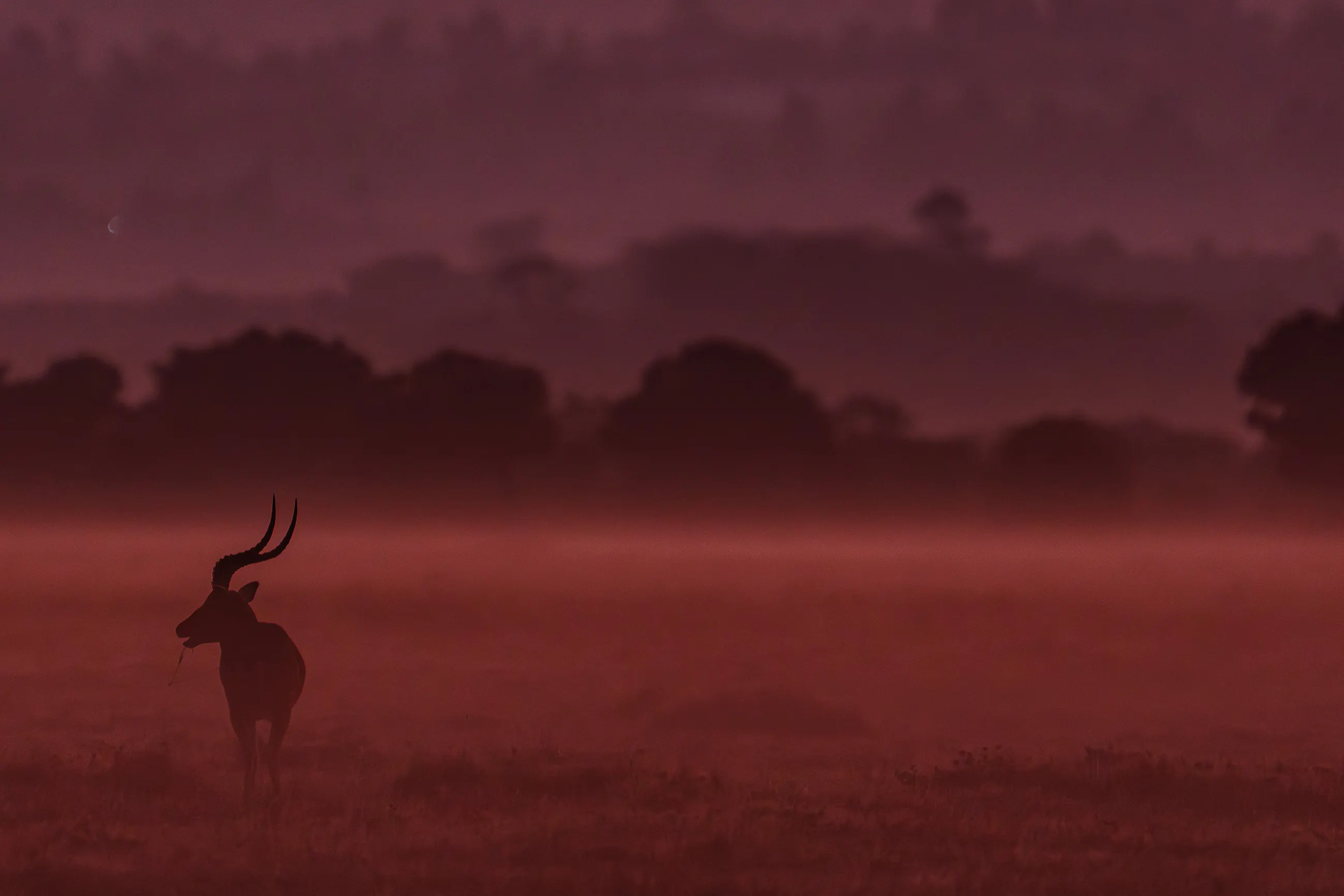
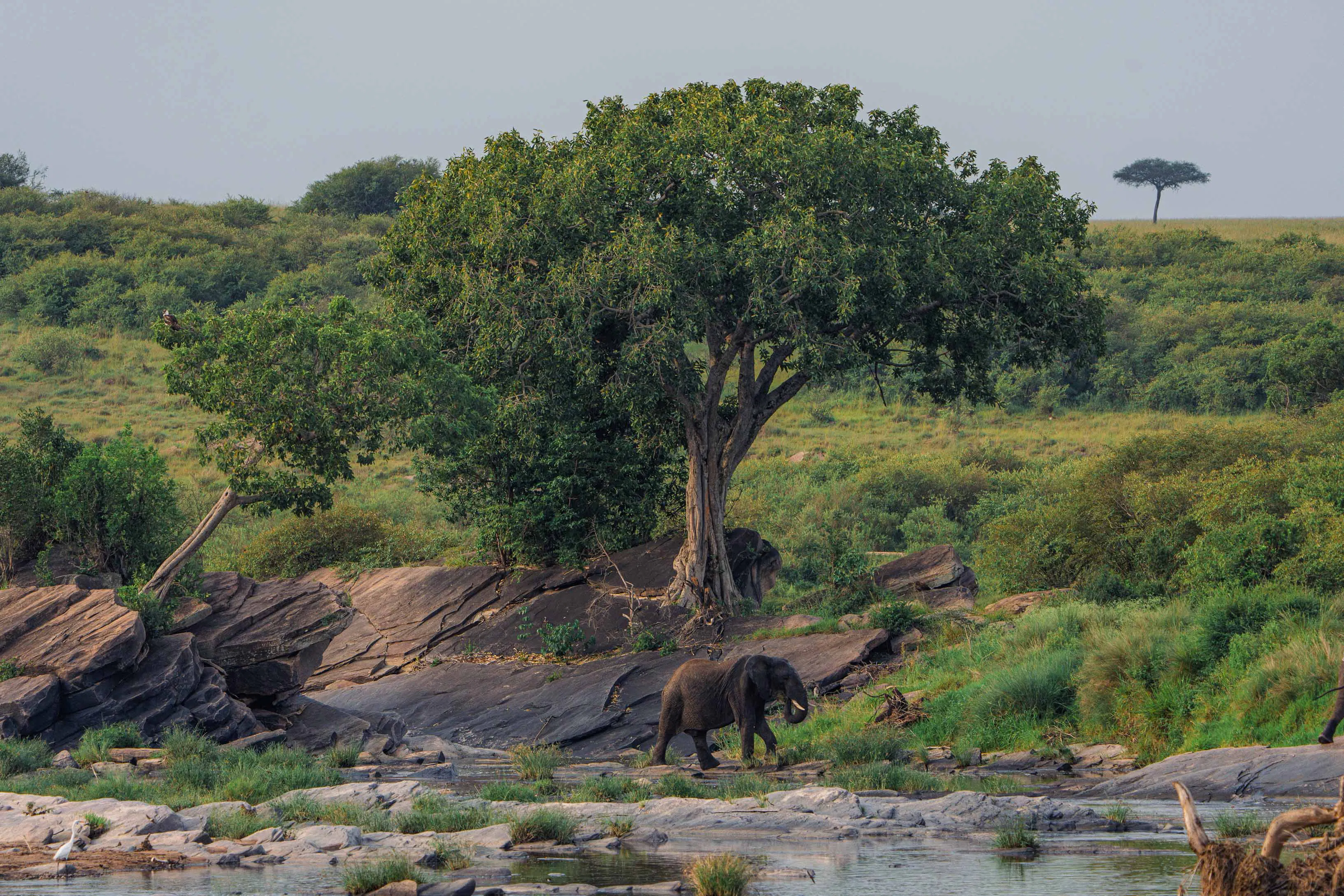
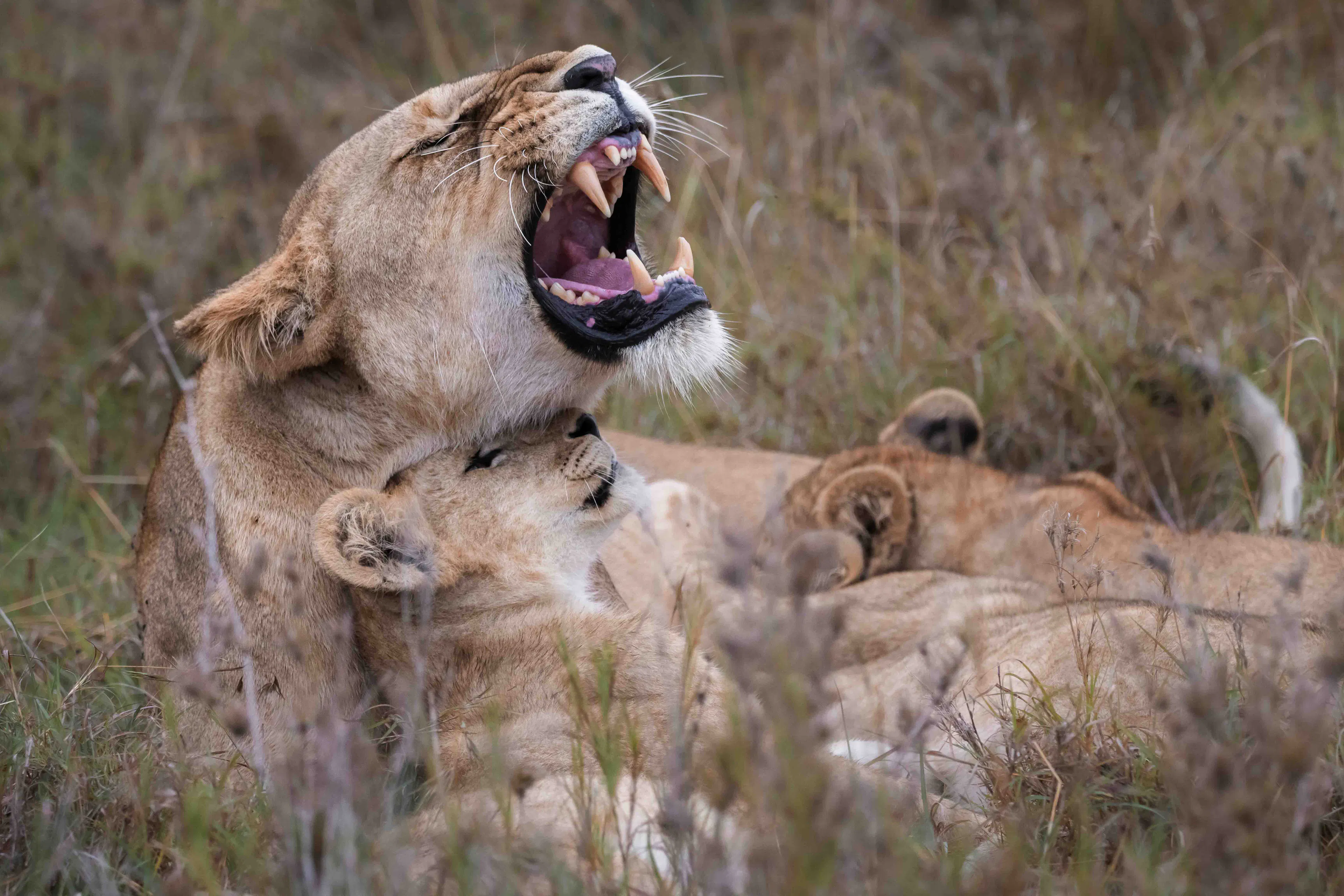
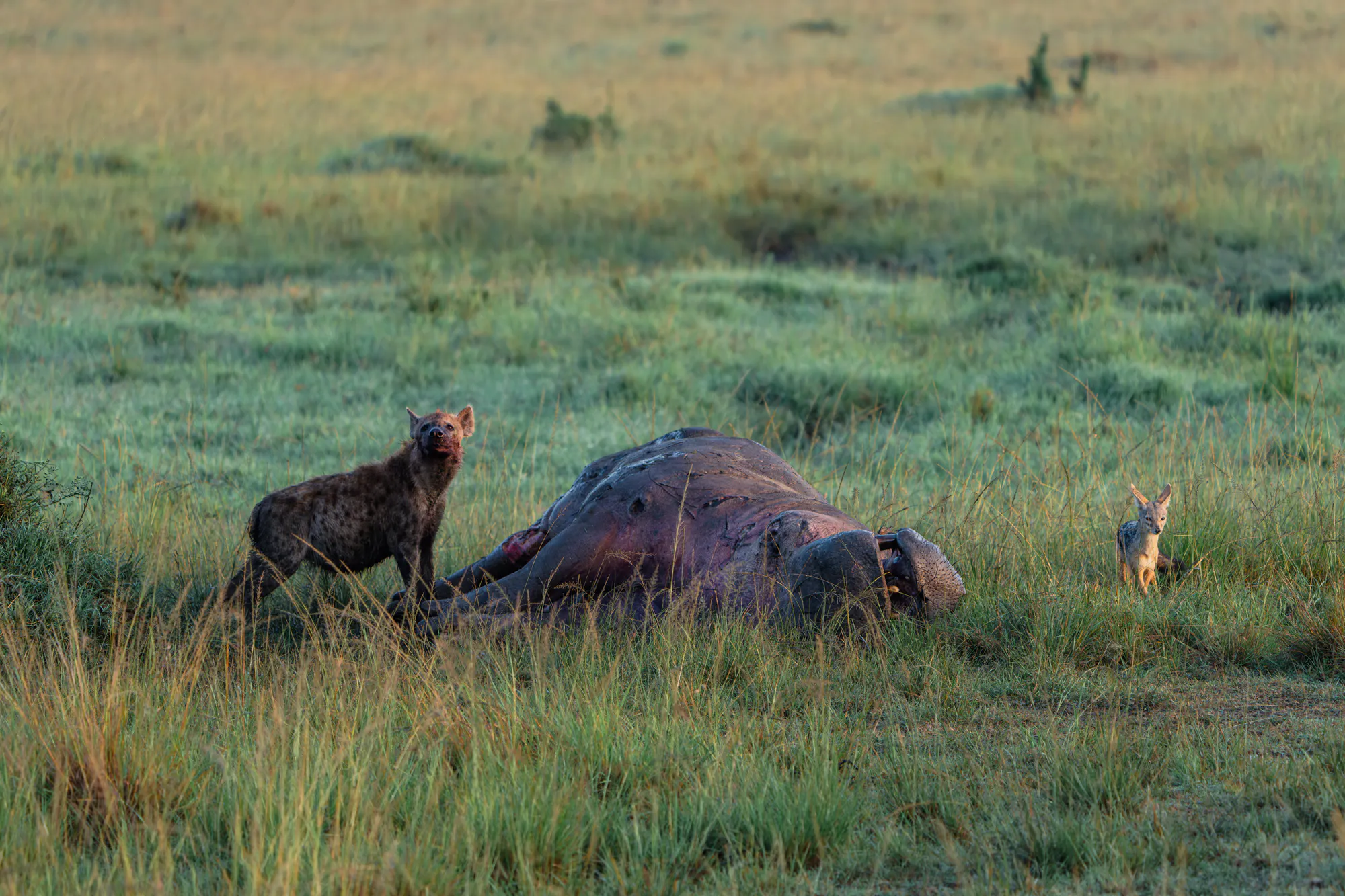
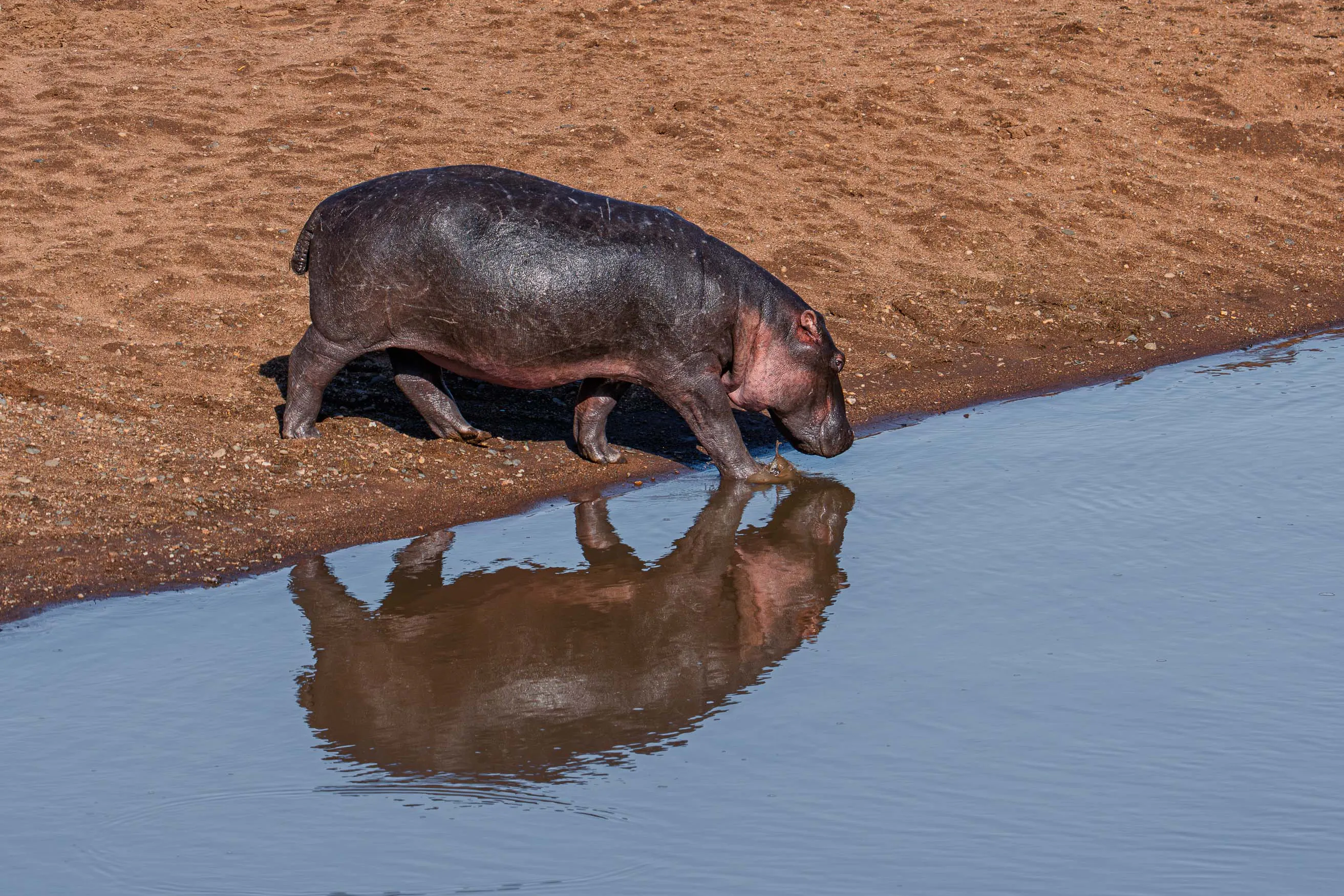
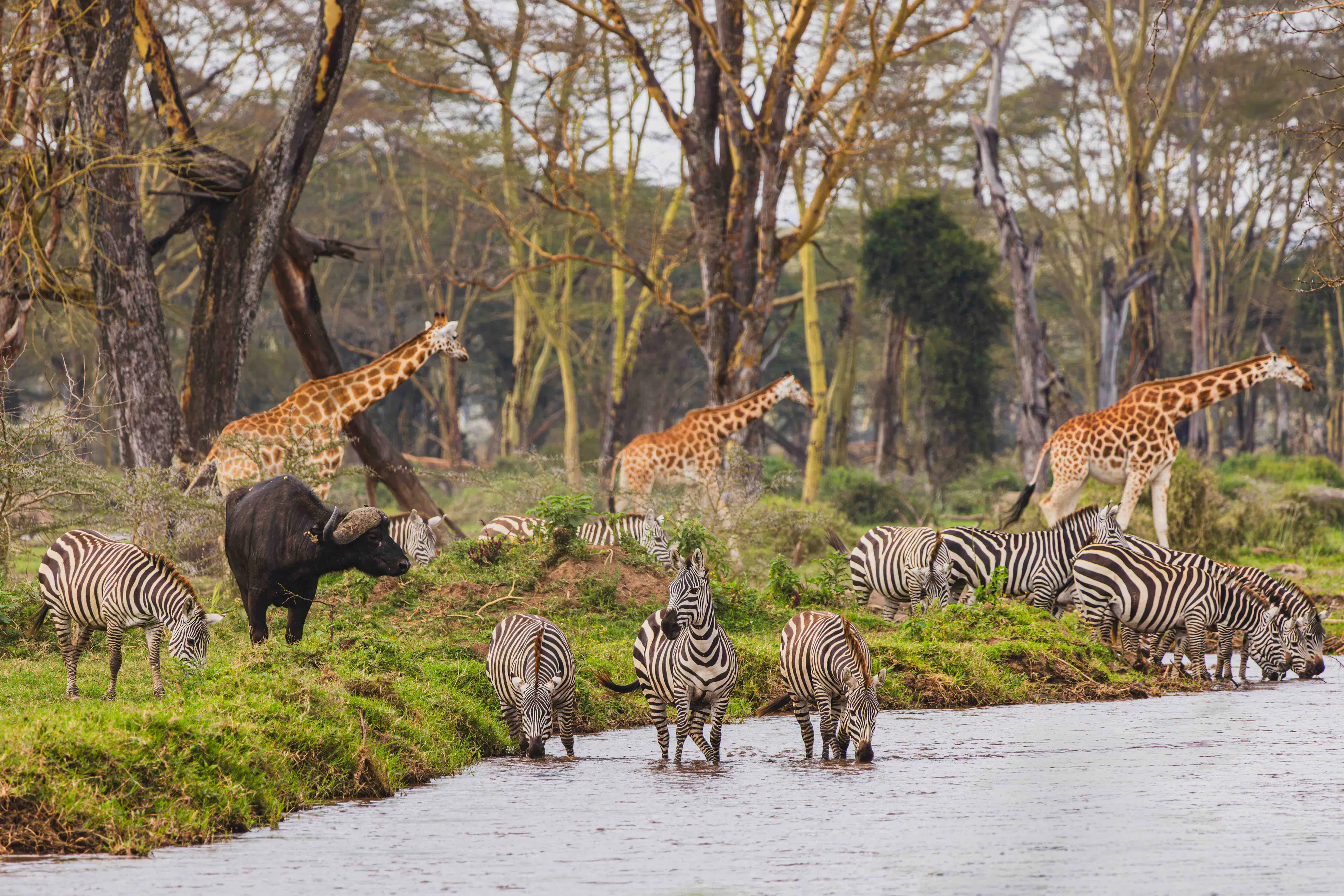
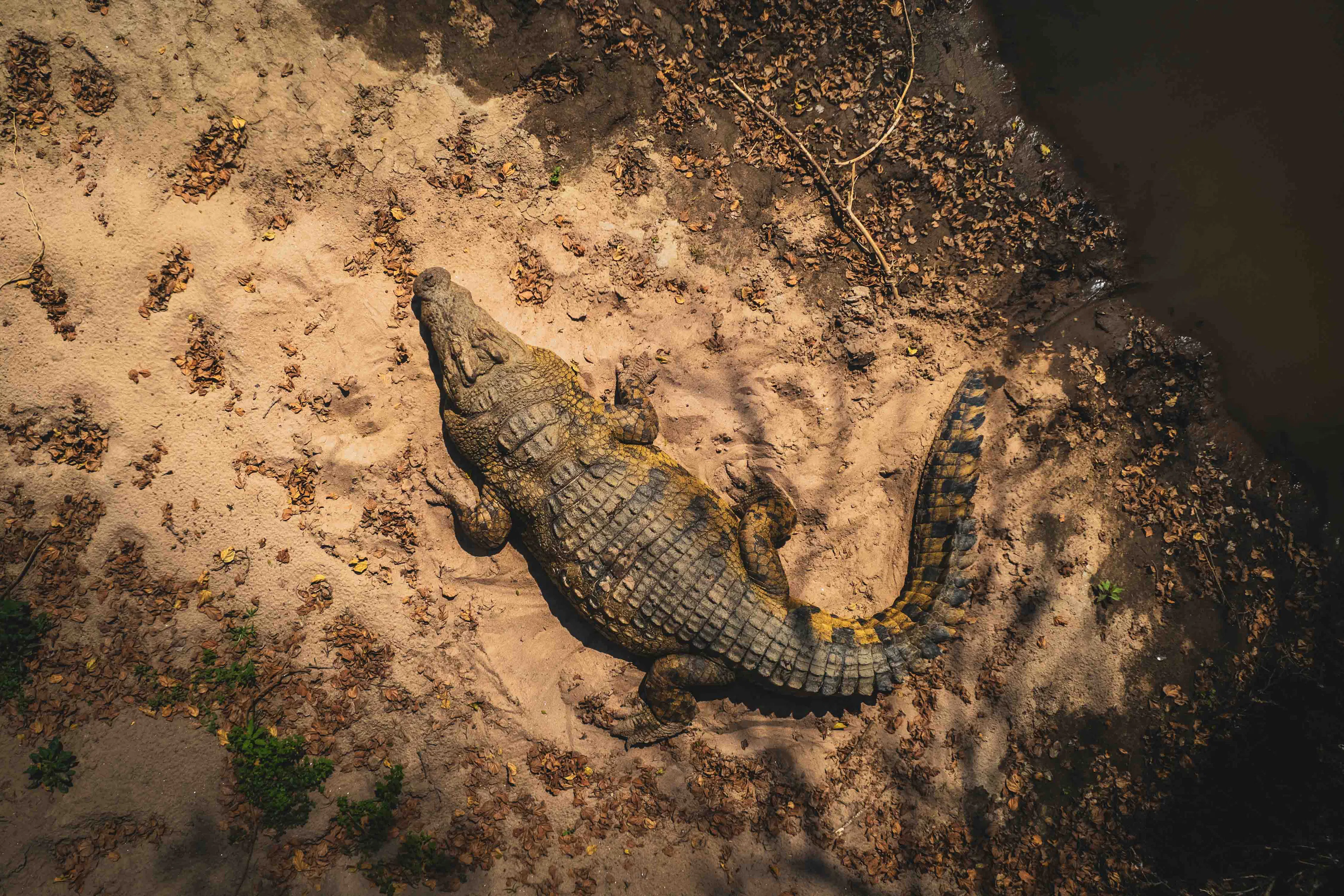
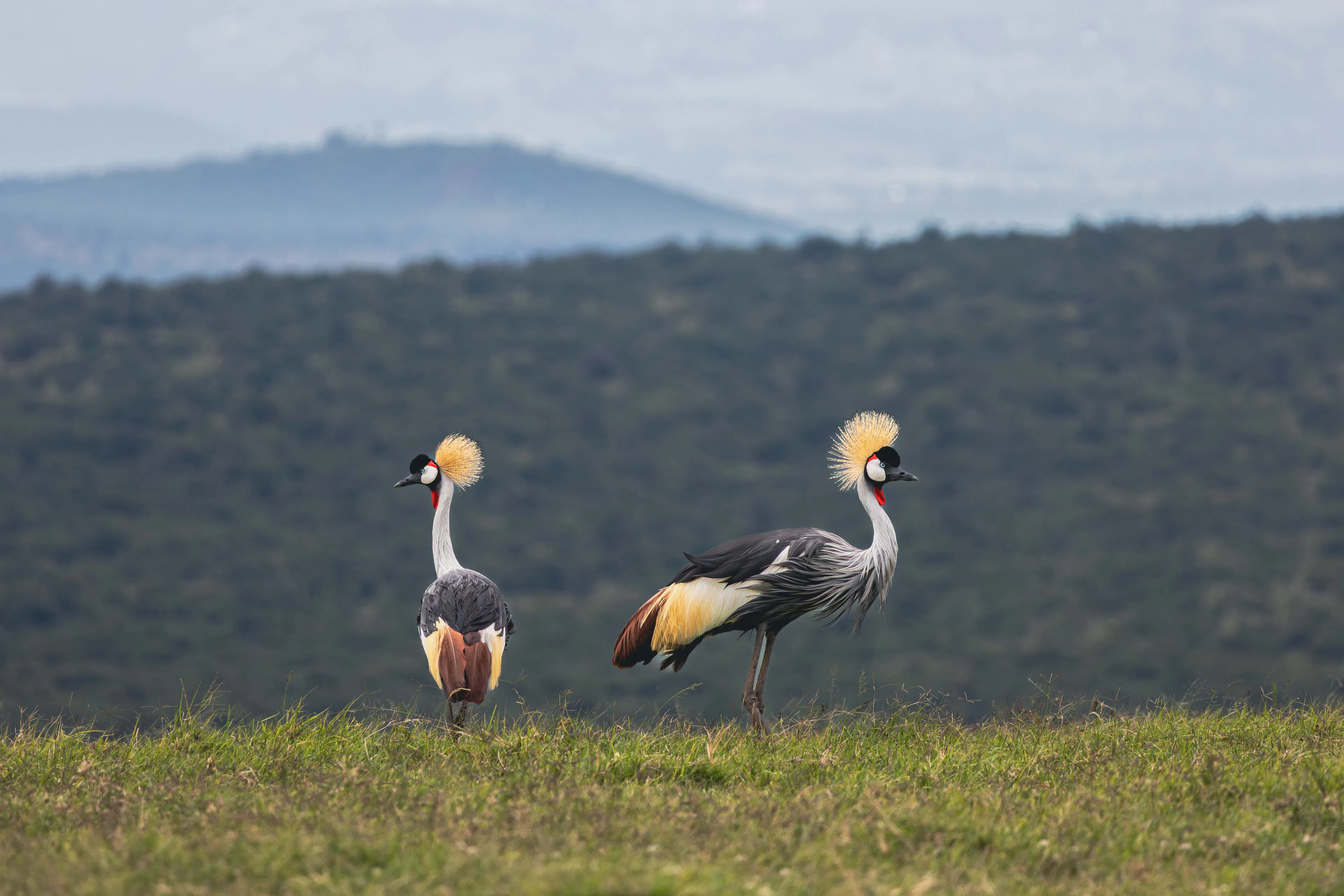
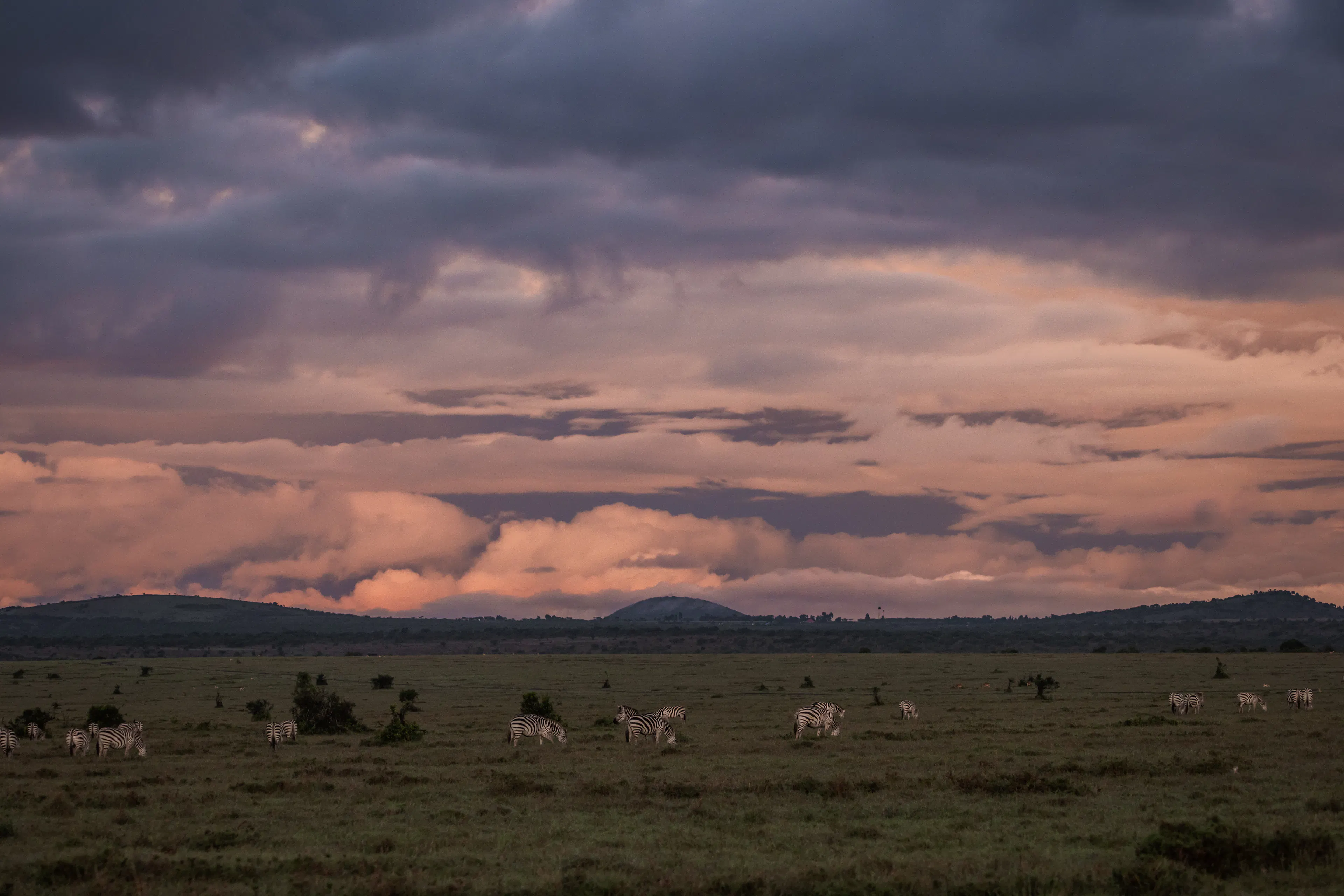
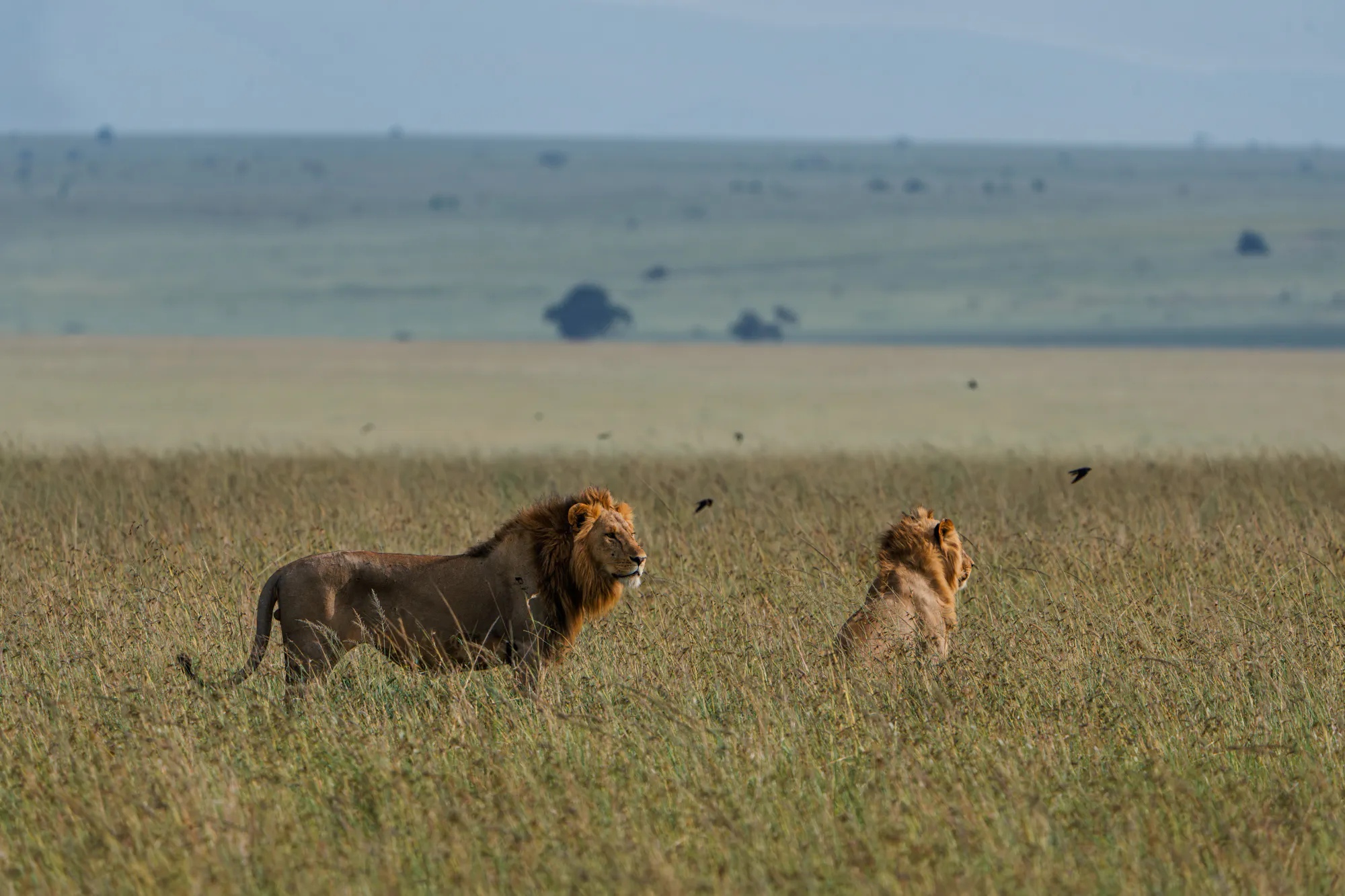
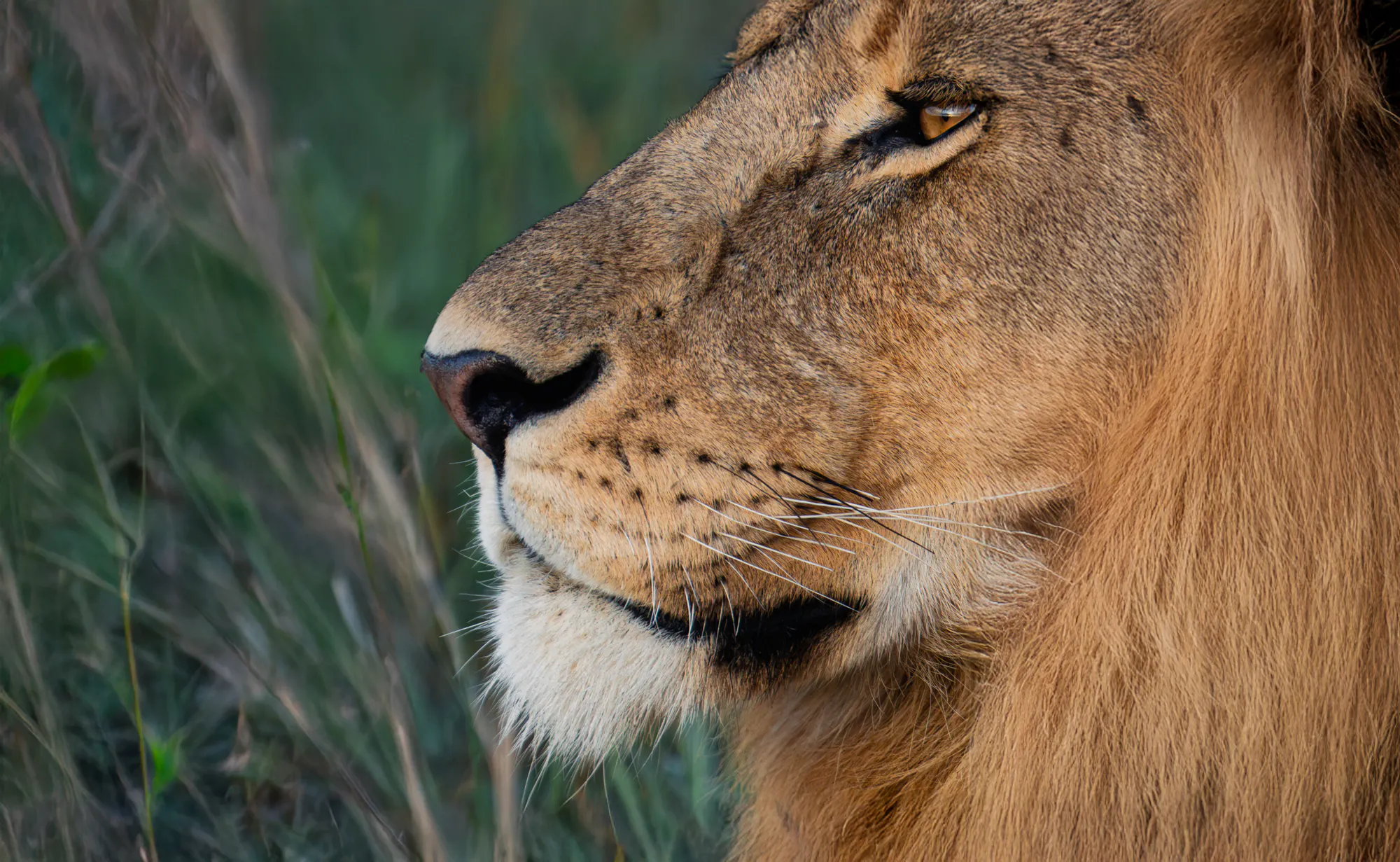
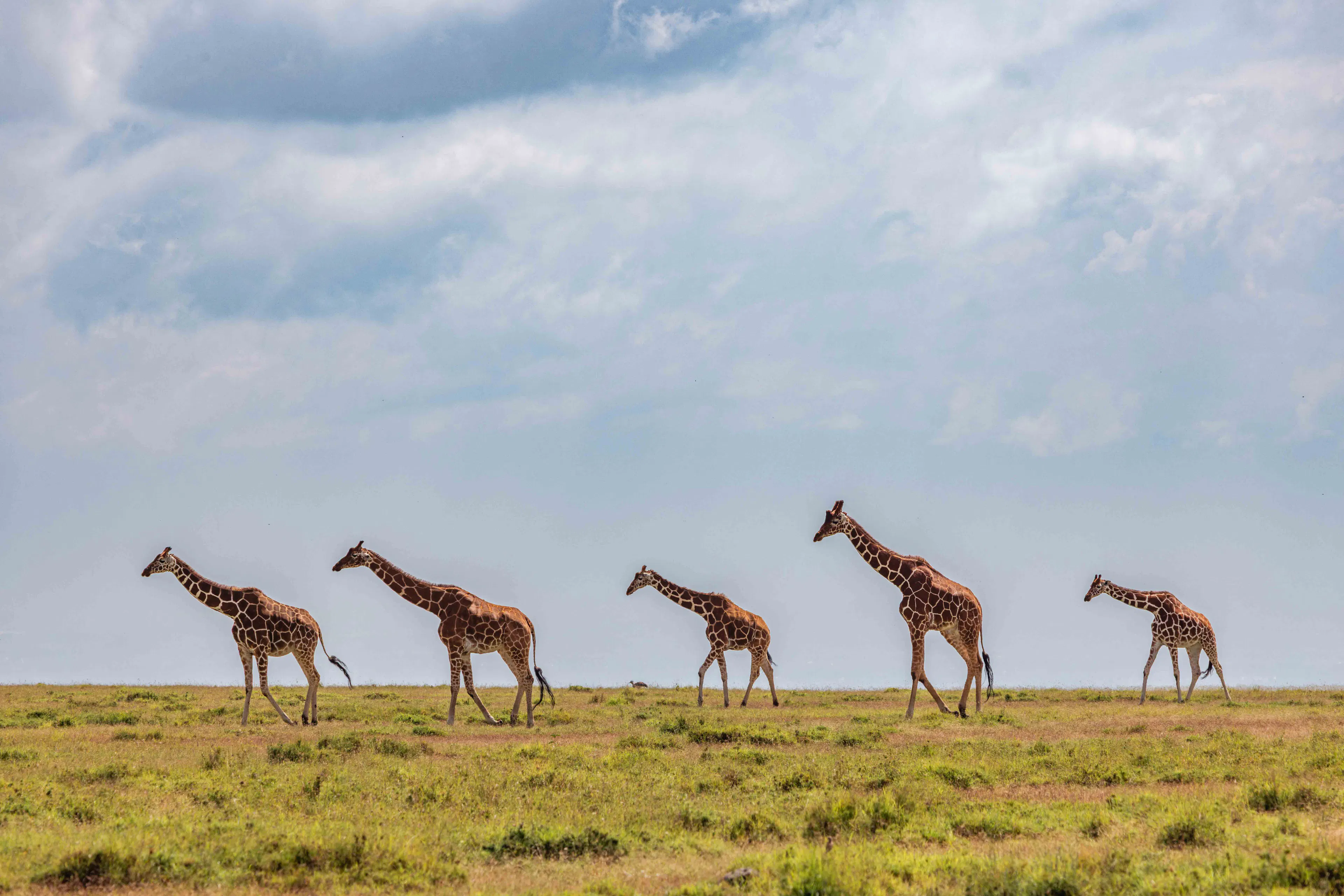
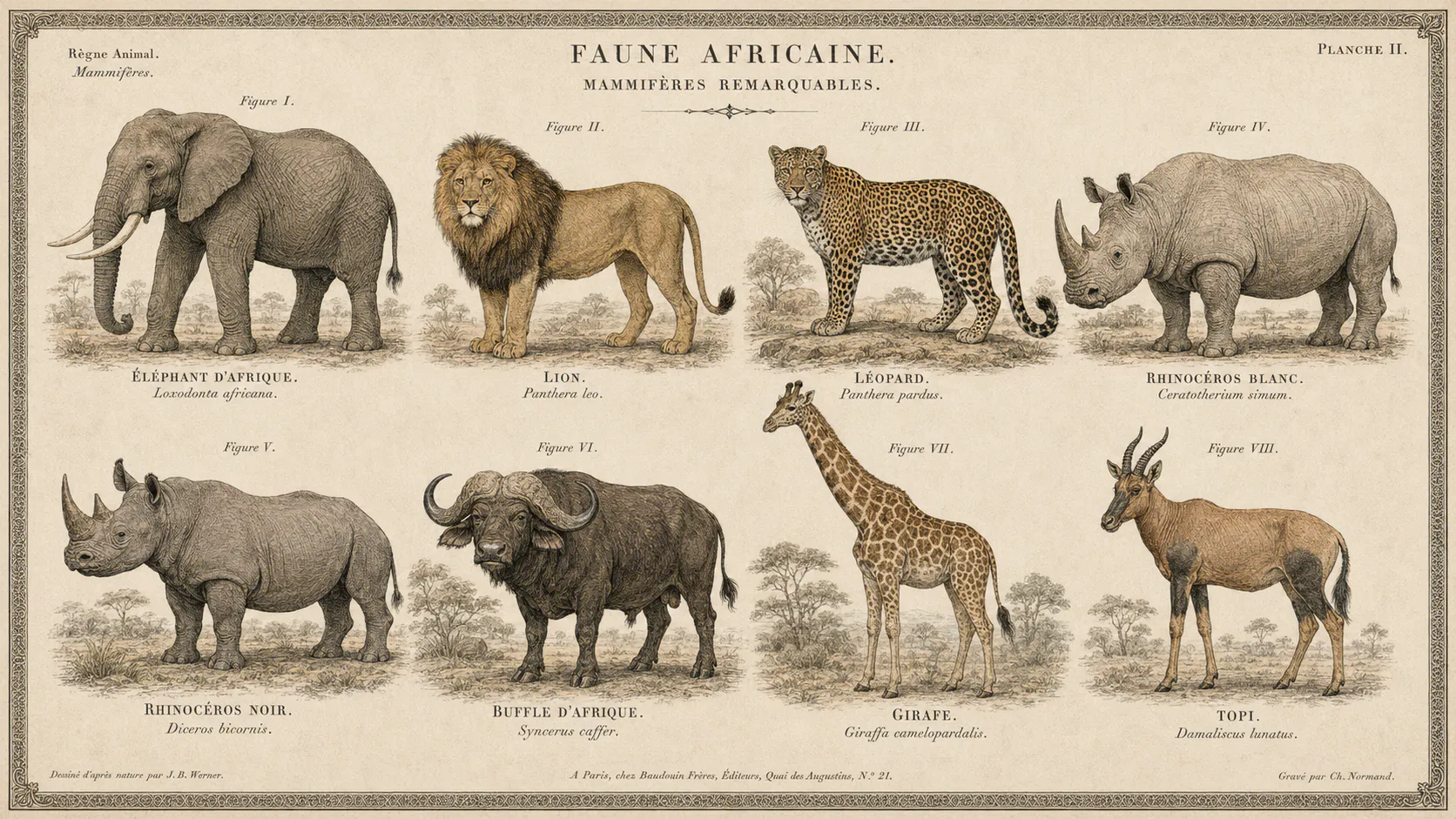
Every drive is different. The lions you watch on a Tuesday may have moved across territory by Thursday. The herds shift with the rain. The leopards come down from the trees when they choose to. What stays consistent is the density of wildlife across Wilder's properties, which together span three of Kenya's most diverse ecosystems. In the Mara, the Big Five share the plains with cheetahs, servals, and the country's largest concentration of resident lion prides. At Ol Pejeta, black and southern white rhinos roam alongside elephants, six lion prides, and reticulated and Rothschild giraffe. Lake Nakuru holds rhinos, leopards, hippos, and one of Kenya's strongest concentrations of birdlife.

A History of the Game Drive

To Journey

The first safaris in East Africa were undertaken on foot. The word safari itself comes from the Swahili for "journey," which is derived from the Arabic "safar". The earliest expeditions, led by local guides and trackers in the nineteenth century, moved across the land at walking pace, with porters carrying supplies. By the early twentieth century, horseback had become a common alternative for explorers, hunters, and the small number of travellers wealthy enough to make the journey. Horses allowed greater distances to be covered in a day, though they came with their own risks in country full of predators and tsetse fly.

The first motor vehicles arrived in East Africa in the 1920s and 1930s. As roads improved and cars replaced wagons, wardens, settlers, and the earliest tourist outfitters began driving out into the bush to find wildlife. The shift from foot and horseback to vehicle changed the safari fundamentally. Game viewing became safer, faster, and more accessible to a wider range of travellers. By the time the Masai Mara Reserve was established in 1961, the game drive had taken its modern shape: a guided journey by vehicle through wildlife country, run in the cool hours of morning and afternoon, timed to the activity of the animals themselves.

Paradise Plains Game Drive

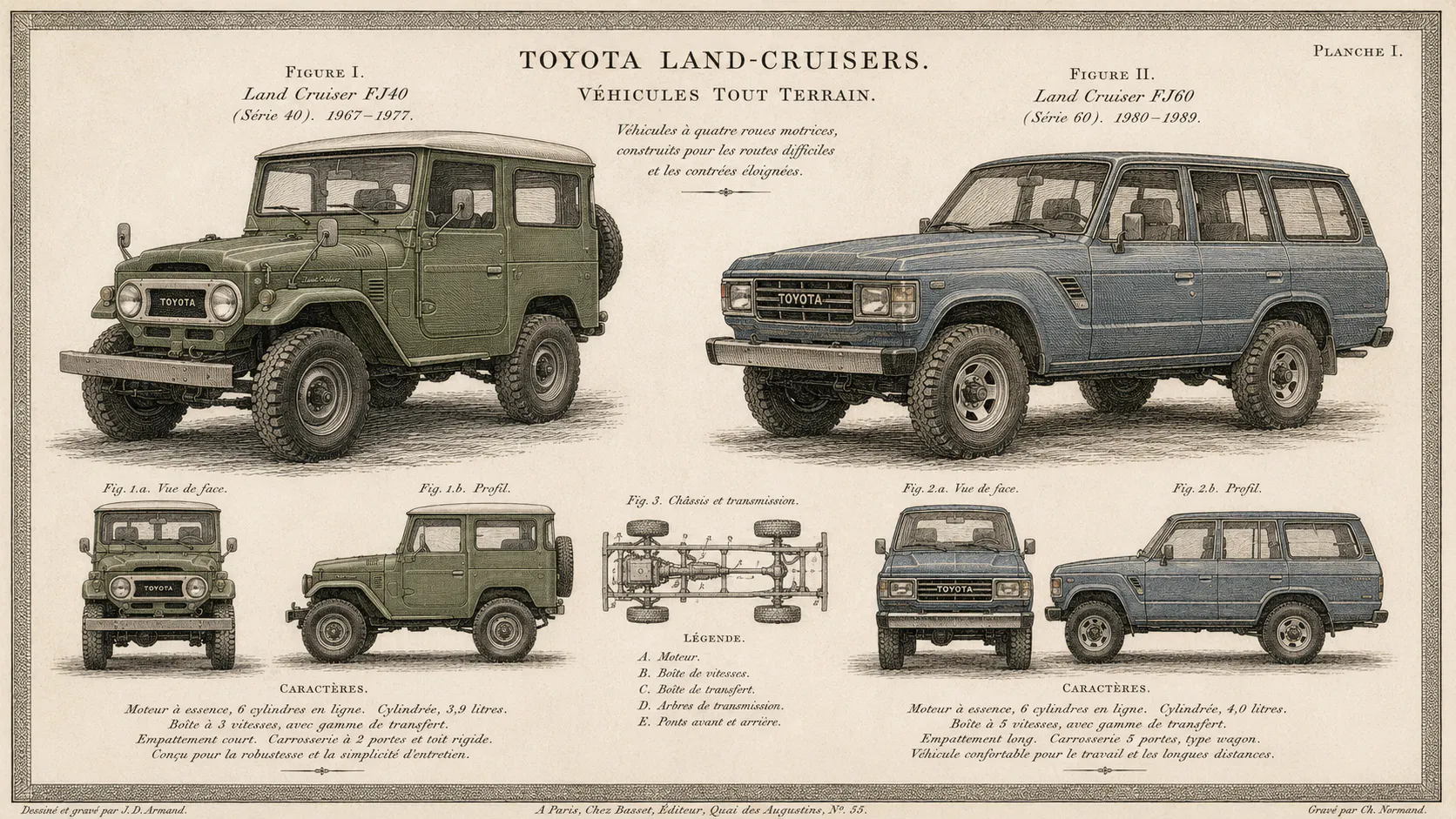
The vehicle of choice has changed over the decades. For much of the twentieth century, the Land Rover was the standard safari car across British East Africa, valued for its mechanical simplicity and its ability to handle rough country. From the 1980s onward, the Toyota Land Cruiser steadily replaced it, offering greater reliability, lower running costs, and a build that proved better suited to the long distances and corrugated roads of the Kenyan reserves. Today, the Land Cruiser Series 70, often modified with open sides and a raised roof for game viewing, is the standard across most of Kenya's luxury camps. The vehicles change, but the structure of the drive has stayed the same for over half a century. Twice a day, guests head out with a guide who knows the land, and the wildlife is allowed to dictate the morning.

Wilder